Vole Removal Costs Explained
Learn about factors influencing vole removal expenses to plan effectively and protect your property.
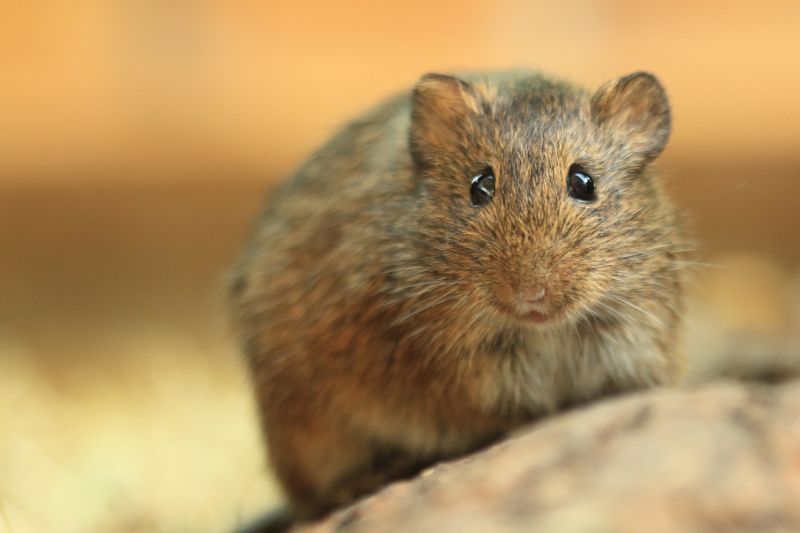
Infestation Size
Larger vole populations typically require more resources, increasing the removal cost.
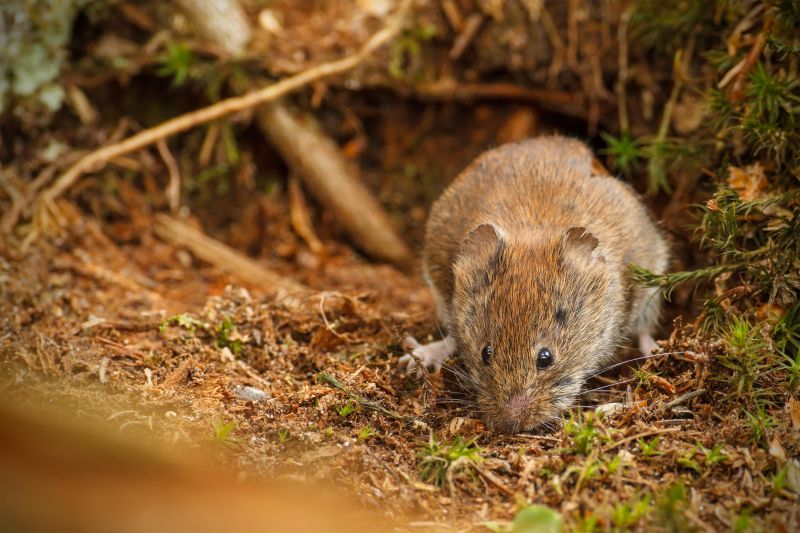
Property Type
Different property structures and locations influence accessibility and labor requirements.
Removal Methods
Choosing between trapping, baiting, or fencing affects the overall expense.
| Factor | Impact on Cost |
|---|---|
| Infestation Size | Larger infestations increase labor and materials needed. |
| Property Size | Larger areas require more extensive treatment. |
| Accessibility | Difficult-to-reach areas may add to the cost. |
| Removal Technique | Different methods have varying costs. |
| Location | Urban or rural settings can influence service charges. |
| Frequency of Service | One-time versus recurring treatments affect total expenses. |
| Time of Year | Peak seasons may incur higher costs due to demand. |
| Property Condition | Older or complex structures may require specialized equipment. |
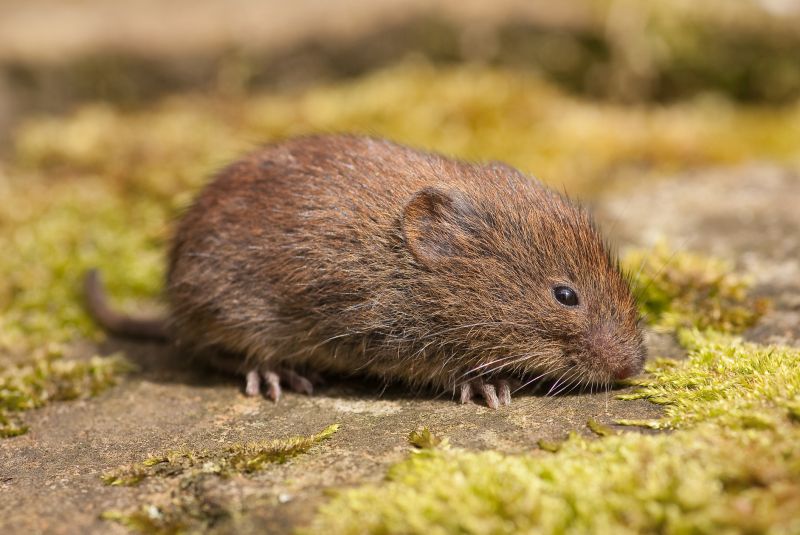
Inside of Vole Damage
Damage inside structures can increase removal costs due to the need for repair and more detailed inspection.
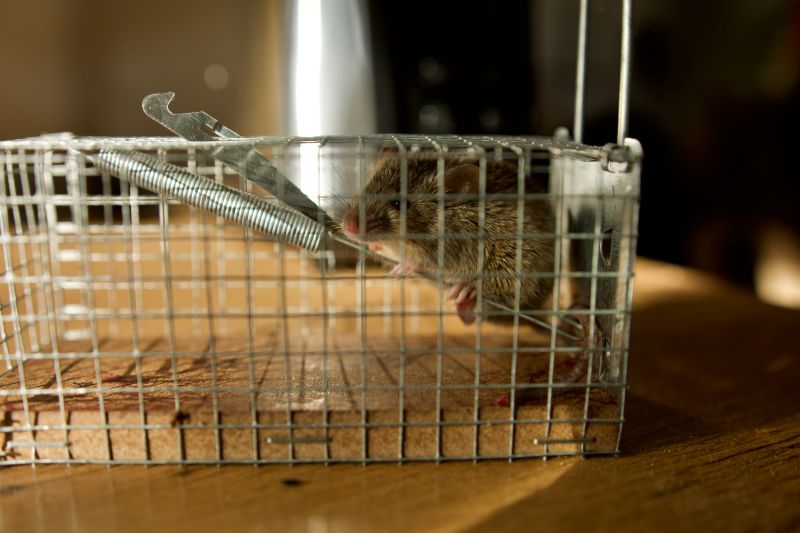
Baiting Devices
The cost of baiting devices varies based on type and quantity used during treatment.
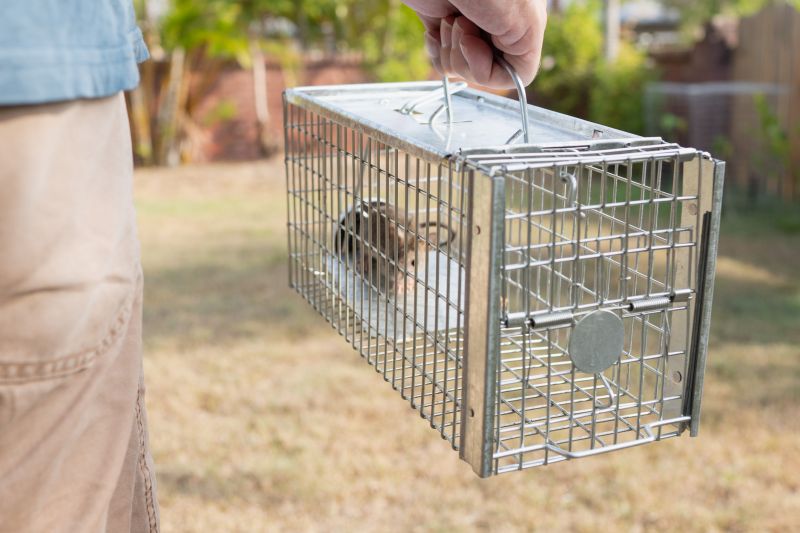
Trapping Equipment
Different traps and their complexity influence the overall removal expenses.
| Service | Average Price Range |
|---|---|
| Initial Vole Inspection | $150 - $300 |
| Single Treatment (Trapping/Baiting) | $200 - $500 |
| Follow-up Visit | $100 - $250 |
| Fencing Installation | $500 - $1500 |
| Damage Repair | $300 - $2000 |
| Ongoing Maintenance | $100 - $300 per visit |
| Perimeter Trapping | $400 - $1200 |
| Exclusion Services | $600 - $1800 |
| Wildlife Barrier Installation | $800 - $2500 |