Termite Tenting in Long Island, NY
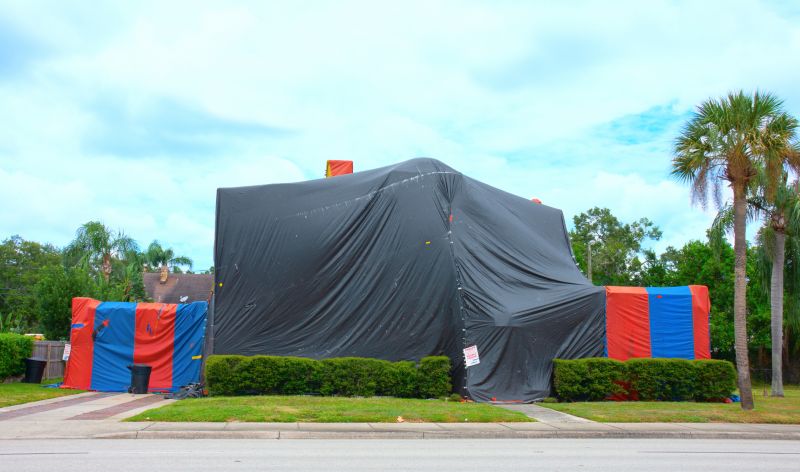
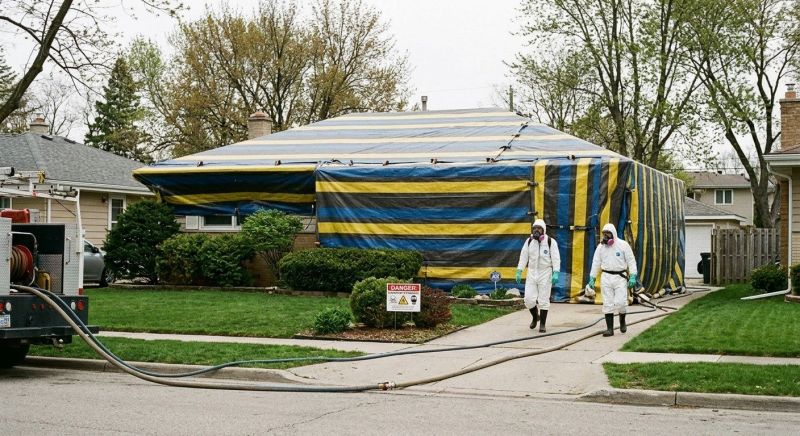
Termite tenting services involve the use of specialized equipment to treat entire properties for termite infestations. This process typically includes covering the structure with large tents and releasing a fumigant that penetrates wood, walls, and other materials to eliminate termites at all life stages. Projects often include homes, multi-unit buildings, and commercial properties where a comprehensive solution is needed to eradicate active infestations and prevent future damage.
Homeowners considering termite tenting generally want to understand the scope of the treatment, the preparation required, and any safety precautions involved. It is important to know that the process involves temporarily vacating the property and that the treatment can affect plants and pets nearby. Clarifying these details beforehand helps ensure proper planning and a smooth treatment experience, providing peace of mind that the property will be thoroughly protected from termite damage.
Many property owners in Long Island, NY look into Termite Tenting for repairs, replacements, upgrades, and appearance-related improvements.
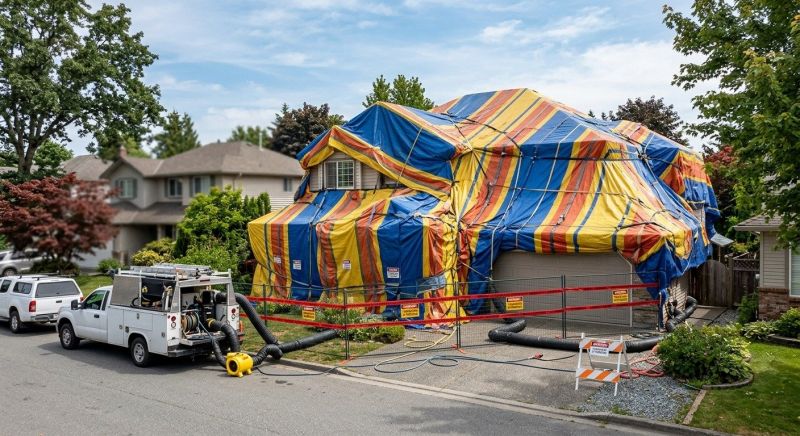
Termite Tenting For Home Protection
Effective treatment to eliminate termites from residential properties in long island and nearby areas.
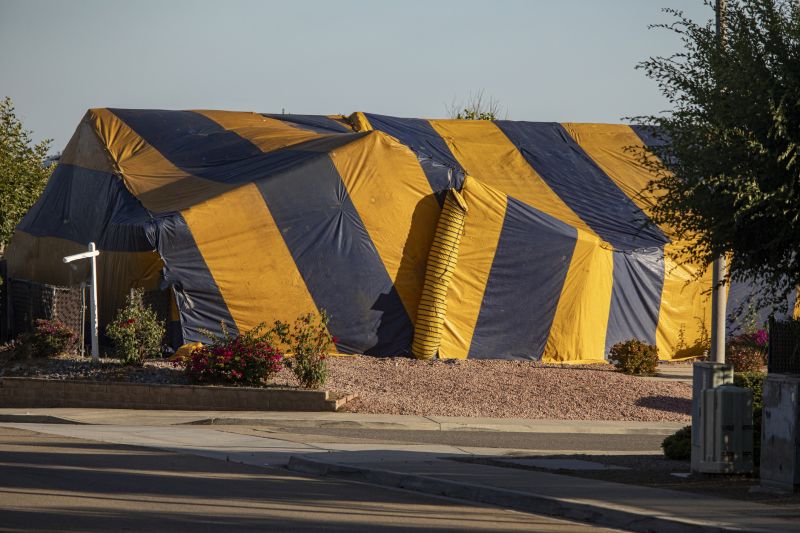
Commercial Termite Tenting Solutions
Specialized services to safeguard businesses and commercial buildings against termite infestations.
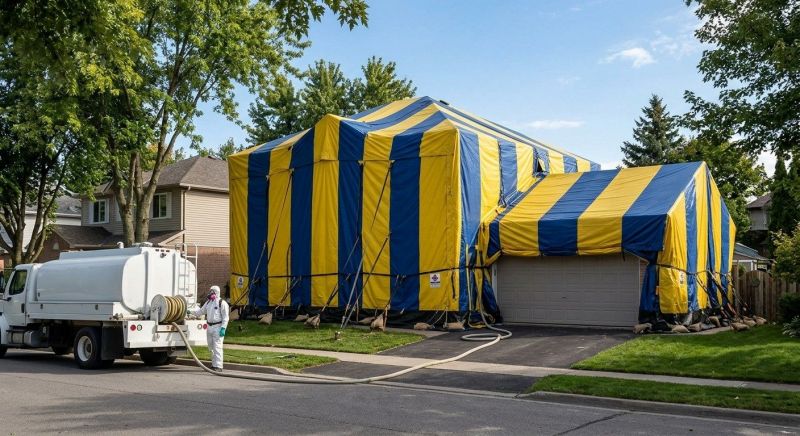
Pre-Construction Termite Treatments
Preventative tenting options designed to protect new constructions and renovations in long island.
Termite Tenting in Long Island, NY

Termite tenting services involve the use of specialized equipment to treat entire properties for termite infestations. This process typically includes covering the structure with large tents and releasing a fumigant that penetrates wood, walls, and other materials to eliminate termites at all life stages. Projects often include homes, multi-unit buildings, and commercial properties where a comprehensive solution is needed to eradicate active infestations and prevent future damage.
Homeowners considering termite tenting generally want to understand the scope of the treatment, the preparation required, and any safety precautions involved. It is important to know that the process involves temporarily vacating the property and that the treatment can affect plants and pets nearby. Clarifying these details beforehand helps ensure proper planning and a smooth treatment experience, providing peace of mind that the property will be thoroughly protected from termite damage.
Many property owners in Long Island, NY look into Termite Tenting for repairs, replacements, upgrades, and appearance-related improvements.
Common Termite Tenting Jobs
Termite Tenting - a treatment method that involves enclosing the property in a tent for fumigation.
Infestation Removal - effective for eliminating active termite colonies within the structure.
Pre-Construction Tenting - used before building or renovating to prevent termite entry.
Post-Construction Tenting - applied after construction to protect new or existing properties.
Damage Repair - includes addressing wood damage caused by termites prior to tenting.
Preventive Tenting - a proactive approach to protect property from future termite invasions.
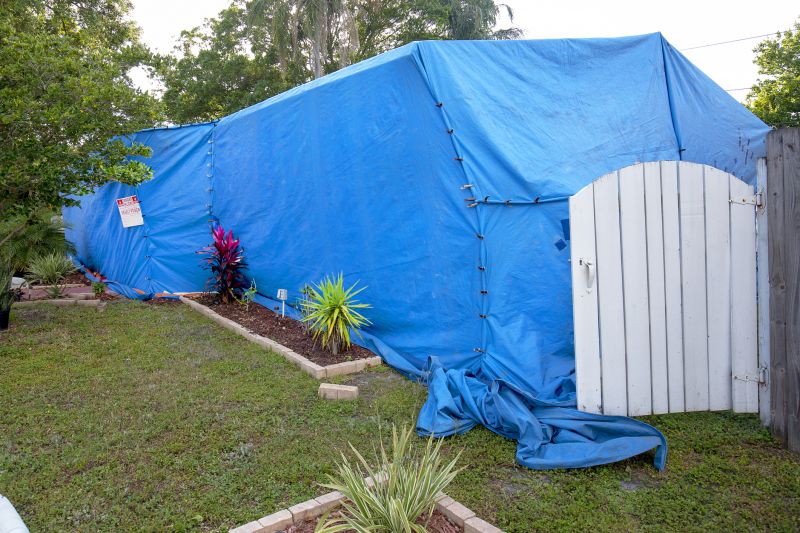

Termite Tenting Questions
What is termite tenting? Termite tenting involves covering a property with a special tarp and releasing gas to eliminate termites throughout the structure.
Which properties are suitable for termite tenting? Tenting is typically used for homes or buildings with widespread termite infestations that cannot be controlled with spot treatments.
What should be done before termite tenting? Property owners should remove or cover food, plants, and pets, and follow specific preparation instructions provided by the service provider.
Is termite tenting safe after treatment? Once the gas has dissipated and the property is ventilated, it is safe to return and resume normal activities.
Request Termite Tenting in Long Island, NY
Use the quote form on this page to share the basics of your project and request more information for the type of work you need.